This content contains affiliate links. If you purchase through these links, we may earn a commission at no additional cost to you. This helps support the maintenance of the website and our research efforts..
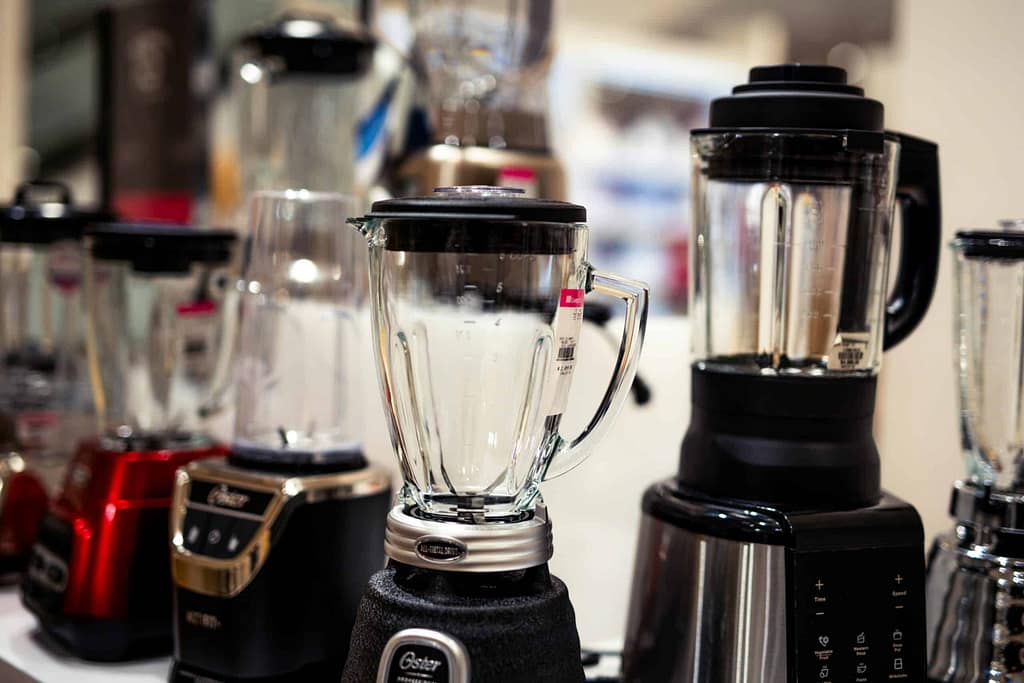
A few years ago, I began to notice the materials in my kitchen. I was making smoothies every morning, hot soups during the winter months, and even baby food for my family. But I never took a moment to ask myself a simple question: What is my blender container made of? This question sent me down a rabbit hole of research on plastics, heat, and chemical exposure. As I continued to learn more, I realized that the best non-toxic blender is not just a concern but also a healthy move.
When a blender operates at a high speed, it generates heat. This heat can impact lower-quality plastic over time. As such, the type of material used in the container is very important. Glass, stainless steel, and BPA-free plastic are good options, or high-quality plastic will do in a pinch. The point is, not all blenders are created equal.
In this review, we emphasize the large-capacity glass build and non-toxic blenders rather than portable personal blenders. For this reason, we just keep one personal blender, which is the Black+Decker Quiet Blender, made of a glass jar. Before that, we reviewed the best KitchenAid stick blenders. You can check it out if you like stick blenders for multitasking, like smoothies, salsa, crushing ice, and frozen drinks.
Straight to the point
Choosing a glass jar is the best way to keep microplastics out of your body. If you want the healthiest results, the Oster Pro 1200 is my top pick. Its powerful motor breaks down fruits and veggies completely so you get the most nutrients. For a blender that lasts a lifetime, choose the Oster Heritage for its tough metal parts. Moreover, the Black+Decker Quiet Blender can be a good choice for you for a quiet environment.
We evaluate blenders based on material safety, motor power, durability, and user feedback.
Our top pick | At a Glance
Best budget glass blender
The Affordable Plastic-Free Blender Choice
Top healthy non toxic option
High-Power Non-Toxic Blending for crushing ice with glass jar
Versatile Glass Blending for Hot & Cold ingredients
The best Quietest personal Glass Blender
Quick comparison table
| Blender Model | Primary Material | Price (2026) | Non-Toxic Safety(our score) | Best Feature |
|---|---|---|---|---|
| Hamilton Beach Power Elite | 40oz Glass Jar | $42 | ★★★★★ | Budget Pick |
| Black+Decker Power Crush | 6-Cup Glass Jar | $46 | ★★★★★ | Clean Pouring |
| Oster Classic Heritage | 6-Cup Boroclass Glass | $84 | ★★★★★ | Metal Drive Gear |
| Oster Pro 1200 | Glass Jar / Plastic Cup | $79 | ★★★★☆ | High Power 1200W |
| Hamilton Beach Wave Crusher | 40oz Glass Jar | $56 | ★★★★★ | 14 Functions |
| Black+Decker Quiet Blender | Cyclone Glass Jar | $58 | ★★★★☆ | Silent Blending |
*Scroll horizontally to see all specifications on mobile devices.
What Does Non-Toxic Really Mean?
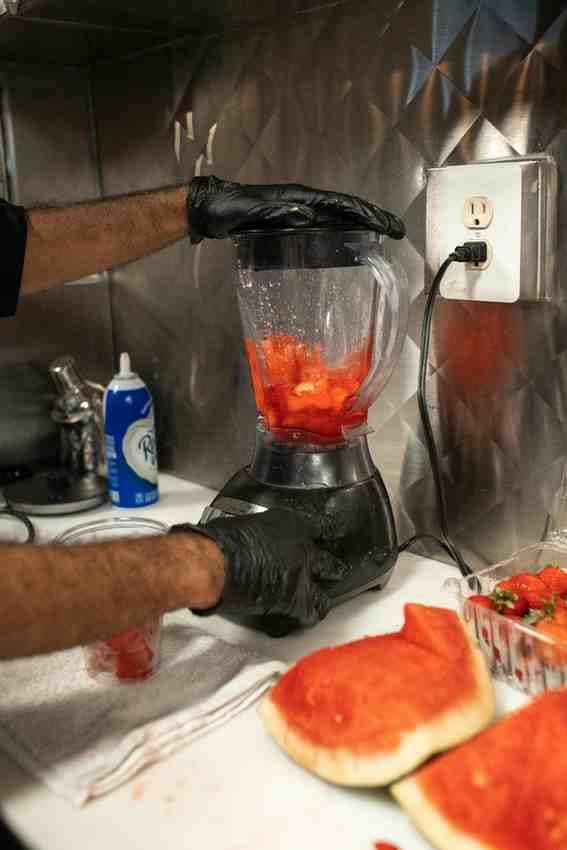
When we refer to a non-toxic blender, we are not claiming that the blender is completely free of chemicals. Rather, we mean that the blender is composed of materials that are stable, non-toxic, and do not easily leach harmful chemicals into your food and beverages. In other words, the blender is safe for your health.
Below are the most important things every user should understand:
Non-toxic means low chemical migration.
Safe materials do not easily transfer chemicals into food, even during high-speed blending.Jar material is the most critical factor.
Glass and stainless steel are considered the safest because they are non-reactive and heat-stable.Plastic quality makes a difference.
Not all plastics are equal. High-quality BPA-free plastic is safer than low-grade plastic, but it can still wear down over time.Heat increases risk.
Blending creates friction. As a result, thick smoothies and hot soups can slightly raise temperatures, which may increase chemical leaching in weak materials.BPA-free does not mean toxin-free.
It only removes one chemical. Therefore, always consider overall material quality, not just labels.Avoid PFAS and interior coatings.
Non-stick or chemical coatings inside food-contact areas may increase exposure concerns.Food-grade certification matters.
Reputable brands follow safety standards for materials that touch food.Durability impacts safety.
Scratches, cracks, and worn surfaces can increase the chance of material breakdown.Blades should be stainless steel.
Stainless steel is rust-resistant and does not react with acidic foods like fruits.Lids, gaskets, and seals are often overlooked.
Even if the jar is glass, the lid and sealing parts should also be made from safe materials.Brand transparency builds trust.
Companies that clearly state materials and certifications are generally more reliable.
Are Blenders Toxic?
This is one of the most frequently asked questions when searching for the best non-toxic blender. The truth is simple: most blenders are safe. But there is a difference when it comes to the materials used in the container and the internal components.
Blenders are not “toxic machines.” The problem is usually associated with low-quality plastic materials, not the motor or blades. When a blender operates at a high speed, it generates friction and a little heat. Because of this, low-quality plastic materials may degrade over time.
Can plastic jars leach chemicals?
Yes, plastic containers can leach chemicals to some extent, especially if they are exposed to heat, friction, or wear and tear. However, this depends on the quality of the plastic.
High-quality plastic that is BPA-free and food-grade is made to minimize the leaching of chemicals. But low-quality plastic or plastic that is scratched to some extent may degrade with time.
If you want the least risk, glass or stainless steel containers are the best because they do not leach chemicals. In this article, we reviewed 6 of the best glass-made blenders, most of which are nontoxic.
Do high-speed blenders release microplastics?
High-speed blenders have the potential to break down microplastics, but this will be possible only with plastic containers, especially those that are scratched or are of poor quality plastic. Friction and heat generated during the process may lead to the degradation of plastics over time. But high-quality BPA-free plastic may not lead to such problems. If you are looking for the best alternative, glass or steel containers will not lead to microplastics.
Are stainless steel jars safer than glass?
Stainless steel containers are very safe because they are non-reactive, heat-resistant, and won’t leach chemicals. Glass containers are safe and non-toxic, but they are heavier and more breakable. For chemical safety, both are great choices, so it just depends on whether you want something durable (stainless steel) or something that will allow you to see what you are mixing (glass).
Chemicals in Blenders That Matter

BPA (Bisphenol A)
BPA is a chemical once commonly used in plastics. It can leach into food, especially when exposed to heat. Although many brands now label products as BPA-free, older or cheaper plastic jars may still pose risks. For this reason, we choose glass made jar over high-quality plastic-made jar blenders.PFAS (Per- and Polyfluoroalkyl Substances)
PFAS are sometimes used in non-stick coatings. These chemicals are persistent and can build up over time. For this reason, it is best to avoid blenders with coated interior surfaces.Phthalates
Phthalates are plastic softeners used to increase flexibility. They are not always listed clearly on labels. However, low-quality plastics may contain them.Microplastics
Over time, scratched or worn plastic jars can release tiny plastic particles. While research is ongoing, reducing exposure is a smart precaution.Lead in Decorative Paints (Rare but Possible)
In poorly regulated products, exterior paint or markings may contain trace heavy metals. Reputable brands typically follow strict safety standards.Unknown Plastic Additives
Some low-cost manufacturers use plastic blends that are not clearly disclosed. Because of this, brand transparency is important.
Glass vs Stainless vs Plastic — Which Is Safest?
Glass: The FDA’s “Safe” Choice
High-quality borosilicate glass used in the U.S. is classified as “Generally Recognized as Safe” by the U.S. Food and Drug Administration (FDA). This is the ultimate safety endorsement for any material. Because glass is a non-porous material, the FDA acknowledges that it does not “leach” any chemicals into your food, even at extreme temperatures. This is why glass is the most trusted material for medical labs and baby bottles! Using a plastic free blender for smoothies ensures that you are adhering to the purest food contact standards set by the government.
2. Stainless Steel: The NSF Standard
However, if you want to have a professional-grade kitchen, you should look for the NSF International mark on your blender. NSF International is one of the world’s largest health and safety organizations. They test blenders to check whether they can be easily cleaned and whether they do not allow bacteria to accumulate. They strongly recommend blenders made of 304-grade stainless steel because this type of material is non-reactive and resistant to corrosion. This type of material meets even the most stringent public health standards because this material does not flake or scratch, unlike plastic blenders that allow bacteria to accumulate in deep grooves.
3. Plastic: The EFSA Warning on Chemicals
Although most blenders are made of plastic, serious concerns have been raised by health bodies such as the European Food Safety Authority (EFSA). The EFSA recently revised its safety limits for BPA, indicating that even the smallest amount could pose a risk to the human immune system. Although “BPA-free” plastics are safe, they are also being monitored by the Environmental Protection Agency (EPA) for other chemicals such as phthalates. To eliminate such dangers, one should consider using a glass jar blender with a metal drive.
Non-Toxic Blender Safety & Performance Scores
Best budget glass blender

Hamilton Beach Power Elite Wave Action Blender For Smoothies
Pros
✅ Value for money
✅ Inert Glass Jar: 100% BPA-free material
✅Hinged Pour Spout
✅Detachable Blades
✅Wave-Action System
cons
❎ Noise Level
❎Lower Sustained Power
My Take
If you’re just making daily fruit shakes and want to avoid toxic plastic on a budget, buy this one. Just a pro-tip: always pour your liquid in first to give the motor a head start. It’s a solid choice that prioritizes your health over fancy buttons.
The Affordable Plastic-Free Blender Choice

BLACK+DECKER Power Crush Multi-Function Blender
Pros
✅ 10-Speed Settings
✅ 6-cup glass jar
✅4-tip stainless steel removable blade
✅ 550 watts of peak power
✅Exceptional ease of cleaning
cons
❎ Moderate Noise Level
❎Vibration issues
My take
I recommend this blender for your daily fruit smoothies and protein shakes. It is a solid workhorse blender with a focus on material safety rather than digital bells and whistles. To properly maintain the motor of the blender, it is always best to put the liquids first before adding the frozen fruits or ice.
Top healthy non toxic option

Oster Classic Series Heritage Blender with 6-Cup Glass Jar
Pros
✅Excellent ice-crushing power
✅Great value
✅Perfect for smoothies
✅Easy to clean
✅Durability
cons
❎ Limited speed options
❎ Heavy unit
My take
The Oster Classic Series Heritage Blender with 6-Cup Glass Jar is a reliable everyday blender that truly delivers. I found its 1000-watt motor powerful enough to crush ice and blend fruits smoothly. The Boroclass glass jar feels sturdy and stays odor-free even after heavy use. Controls are simple, so you don’t need to guess settings. Because of its performance and durability, it’s a great choice if you want a non-toxic, glass-jar blender for daily smoothies, soups, and more.
High-Power Non-Toxic Blending for crushing ice with glass jar

Oster Pro 1200 Smoothie Blender with Glass Jar
Pros
✅Powerful Performance
✅Dual Direction Blades
✅Excellent Warranty: 10-year all-metal drive limited warranty
✅Easy to clean
✅Versatile
cons
❎ Loud
❎ Blade Design
My take
With its 1200-watt motor, the Oster Pro 1200 Smoothie Blender with Glass Jar easily crushes ice and frozen fruits, delivering smooth and consistent blends every time. Morning smoothies and milkshakes turn out perfectly creamy, and the sturdy, non-toxic glass jar adds both durability and safety. For anyone looking for a reliable blender with strong performance, this model is an excellent choice.
Versatile Glass Blending for Hot & Cold ingredients

Oster Pro 1200 Smoothie Blender with Glass Jar
Pros
✅Value for money
✅Excellent for smoothies
✅Durable glass jar
✅14 blending functions
✅Pour spout design
cons
❎ Noise level
❎ Difficult lid removal
My take
If you want a dependable blender for daily smoothies, the Hamilton Beach Wave Crusher Blender with 40 oz Glass Jar is worth considering. Thanks to its wave-action system, ingredients are constantly pushed down toward the blades, so blending feels smoother and more consistent. In addition, the sturdy glass jar does not hold onto stains or odors, which makes cleaning much easier. Even when I tested it with ice and frozen fruit, the results came out impressively smooth. Considering its performance and price, it offers solid value for everyday kitchen use.
The best Quietest personal Glass Blender

Black+Decker Quiet Blender
Pros
✅Strong performance
✅Versatile
✅Digital controls:
✅Glass construction
✅Easy to clean
cons
❎Leakage issues
❎Heavy
FAQs
What is the safest blender to use?
The safest blender is any model with a tempered glass jar. Glass is naturally BPA-free and lead-free. It does not leach chemicals into your food as plastic can. For the highest safety, I recommend the Oster Pro 1200 or the Oster Heritage. Both use Boroclass glass, which is a special type of thermal-shock-resistant glass.
This material is medical-grade and very durable. It can go from a hot dishwasher to a cold smoothie prep without cracking. Using a glass blender ensures your drinks stay pure and toxin-free. It is the best choice for anyone looking to avoid microplastics in their daily diet.
Do blenders release microplastics?
Yes, blenders with plastic jars can release microplastics into your food over time. As the sharp blades spin at high speeds, they create friction against the plastic walls. This is especially true when you blend hard items like ice, frozen fruit, or nuts. Small scratches form on the inside of the jar, and tiny plastic particles can flake off into your drink.
Heat also makes this worse. If you blend hot soup in a plastic jar, the plastic can soften and leach chemicals like BPA or phthalates. Using a glass jar blender is the only way to avoid this entirely. Glass does not scratch, flake, or react to heat. Choosing glass ensures that your healthy smoothie stays 100% pure and free from plastic waste
What brands do not use PFAS ?
In the world of blenders, finding a brand that is 100% PFAS-free is all about the materials. PFAS (also known as “forever chemicals”) are often found in non-stick coatings on blades or in low-quality plastic jars.
To stay safe, look for these brands that prioritize clean materials:
Our Place: Their Splendor Blender is explicitly marketed as being made without PFAS, PTFEs, or PFOAs in any of its vessels.
Oster: By using glass jars and stainless steel blades, Oster avoids the non-stick coatings where PFAS usually hide. Their “Classic Series” is a top health choice.
Hamilton Beach: Models like the Wave Crusher use glass and steel, which are naturally PFAS-free.
Vitamix: While they use high-quality Tritan plastic, you can buy a Stainless Steel Container for their blenders. This setup is entirely free of coatings and plastic contact.
Are there any plastic free blenders?
To be honest with you, finding a blender that is 100% plastic-free is nearly impossible. Almost every electric blender uses plastic for the base, the buttons, or the internal gears. However, you can find blenders with zero plastic contact, meaning no plastic ever touches your food.
About The Author

Deana J. Murphy
Deana J. Murphy has over a decade of hands-on experience testing and reviewing kitchen tools and appliances. She has personally used and compared a wide range of products to help home cooks and bakers make confident choices. Her practical insights and honest reviews are shaped by real-world use, ensuring that every recommendation is both trustworthy and easy to follow. Deana’s passion lies in making cooking simpler, more enjoyable, and more rewarding through the right tools.