This content contains affiliate links. If you purchase through these links, we may earn a commission at no additional cost to you. This helps support the maintenance of the website and our research efforts..
The Ultimate Stand Mixer Buying Guide (2026): Everything You Need to Know Before You Buy
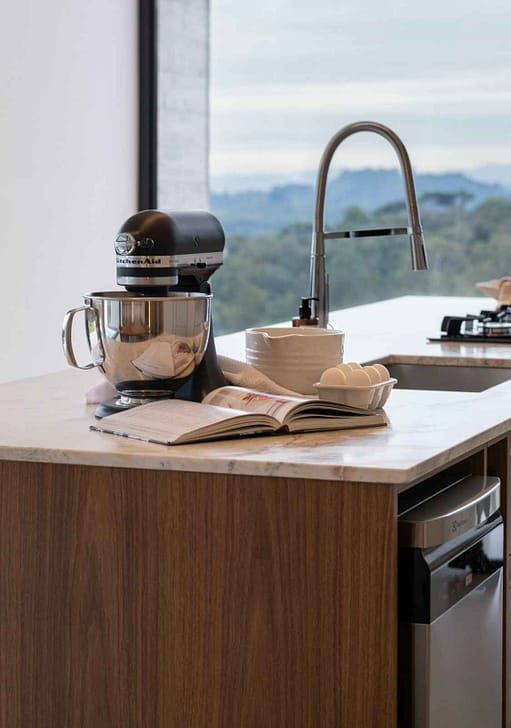
Shopping for a stand mixer in 2026 can feel overwhelming. There are dozens of brands, hundreds of models, and more specs to compare than most people know what to do with. This stand mixer buying guide cuts through all of that — giving you a clear, honest breakdown of everything that actually matters before you spend your money.
Whether you’re a beginner buying your first stand mixer, a passionate home baker ready to upgrade, or someone who bakes bread every week and needs real power — this guide has you covered. We’ll walk you through types, bowl sizes, motor power, top brands, attachments, common mistakes, and our final recommendations for every type of baker.
By the end, you’ll know exactly which stand mixer is right for you — and why.
What Is a Stand Mixer — and How Does It Work?
A stand mixer is a countertop kitchen appliance that automatically mixes, beats, whips, and kneads ingredients — without you having to hold it. Unlike a hand mixer, it sits on its own base, keeping your hands completely free while it works.
The motor head spins interchangeable attachments — a dough hook, flat beater, or wire whisk — inside a stainless steel bowl. Most stand mixers use a system called planetary mixing: the attachment rotates on its own axis while simultaneously orbiting around the bowl, covering every inch for a thorough, even mix every time.
Stand mixers handle a wide range of tasks out of the box: kneading bread dough, whipping cream, beating egg whites, creaming butter and sugar, making cookie dough, and mixing cake batter. With optional attachments, they can also grind meat, make fresh pasta, churn ice cream, and more — making them one of the most versatile appliances you can own.
Do You Actually Need a Stand Mixer?
Before spending anywhere from $150 to $1,000+ on a stand mixer, ask yourself one honest question: How often do I bake, and what do I make?
A stand mixer is worth buying if you:
- Bake bread, pizza dough, or bagels regularly
- Make large batches of cookies or cakes
- Whip cream or egg whites frequently
- Bake at least once or twice a week
- Want to save time and reduce arm fatigue
- Plan to use pasta, meat grinder, or ice cream attachments
A stand mixer may not be necessary if you:
- Bake only occasionally (once a month or less)
- Mostly make simple batters or frostings
- Have very limited counter space
- Are on a very tight budget and a hand mixer will do the job
The bottom line: If you bake at least once or twice a week, a stand mixer will quickly become one of the most-used appliances in your kitchen. If you bake rarely, a quality hand mixer may be all you need.
➡️ See also: Best Stand Mixers for Every Skill Level — Reviewed & Tested
Types of Stand Mixers Explained
Not all stand mixers are built the same. Knowing the different types before you buy will save you from a costly mistake.
Tilt-Head Stand Mixers
In a tilt-head stand mixer, the motor head tilts back on a hinge, giving you easy access to the bowl and attachments. These are the most popular type for home bakers and come in the widest variety of colors and styles.
Best for: Everyday baking, smaller kitchens, beginners, and people who frequently swap attachments.
Pros: Easy bowl access, compact size (~14″ tall), lighter weight, fits under most cabinets.
Cons: The hinge can develop flex over time under very heavy loads; slightly less stable with stiff doughs.
Popular example: KitchenAid Artisan 5-Quart
Bowl-Lift Stand Mixers
In a bowl-lift stand mixer, the motor head is fixed and a lever raises the bowl up to the beaters. These are taller, heavier, and more powerful than tilt-head models.
Best for: Bread dough, large batches, serious home bakers, and semi-professional use.
Pros: More stable under heavy loads, better for dense and stiff doughs, built to last longer.
Cons: Taller (~16–17″), heavier, pricier, slightly less convenient for bowl access.
Popular examples: KitchenAid Pro 600, KitchenAid Commercial 8-Quart
Spiral Stand Mixers
Spiral mixers are a specialized type designed specifically for bread baking. The spiral dough hook stays stationary while the bowl rotates around it — a gentler, more efficient kneading motion that generates less heat and better preserves gluten structure.
Best for: Dedicated bread bakers, sourdough, high-hydration doughs, artisan baking.
Popular example: Ankarsrum Assistent Original
Mini / Compact Stand Mixers
Mini stand mixers (2–3.5 quart) are designed for light tasks in small kitchens. They’re affordable and space-saving but have limited motor power.
Best for: Occasional bakers, small batches, studio apartments.
Avoid if: You plan to knead bread dough or regularly make large batches.
What to Look for in a Stand Mixer: 9 Key Features
When comparing stand mixers, these are the features that actually affect your day-to-day baking experience — not just the ones that look good on a spec sheet.
1. Motor Power (Wattage)
Higher wattage means the motor can handle heavier doughs without straining or overheating. For light tasks like whipping and cakes, 250–325W is adequate. For bread dough and pizza dough, aim for 500W or higher. That said, wattage alone doesn’t tell the whole story — see our full motor power section below.
2. Bowl Size
Bowl size determines the maximum batch size you can mix at once. Most home bakers do best with a 5-quart bowl. Larger families or frequent bakers may prefer 6–7 quarts. We cover this in detail in our bowl size guide below.
3. Speed Settings
Most stand mixers offer 10 speed settings — that’s enough for virtually every baking task. What matters most is having a genuinely slow first speed (to avoid flour clouds) and a fast enough top speed for whipping meringue or cream. The KitchenAid’s soft-start feature, which ramps up speed gradually, is one of the most useful everyday features.
4. Gear Type: Metal vs. Plastic
The internal gears are the heart of your stand mixer. Metal gears last far longer than plastic gears, especially under heavy or repeated loads. This single factor is the biggest predictor of long-term durability. Always choose metal gears — even if it costs a little more upfront.
5. Attachment Hub
A front power hub lets you connect optional accessories like pasta rollers, meat grinders, and ice cream makers. KitchenAid’s hub is the most versatile, compatible with 80+ attachments across most of their stand mixer lineup.
6. Bowl Material
Stainless steel bowls are the gold standard — durable, non-porous, easy to clean, and dishwasher-safe. Some mixers include glass or ceramic bowls for aesthetics, but these are heavier and more fragile. Stick with stainless steel for everyday use.
7. Soft Start Feature
A soft start feature gradually ramps up from the lowest speed before accelerating. This prevents the notorious flour-cloud explosion when you begin mixing dry ingredients. It’s a small feature that makes a big difference in daily use — highly recommended.
8. Weight and Stability
Heavier stand mixers are more stable on the countertop. A lightweight mixer will “walk” during heavy kneading — a frustrating and potentially damaging problem. Look for models weighing 18 lbs or more. Bowl-lift models are inherently heavier and more stable by design.
9. Warranty
Warranty length is a reliable signal of how confident a brand is in their own product. KitchenAid offers a 1-year limited warranty. Cuisinart offers 3 years. Ankarsrum leads the industry with an impressive 7-year motor warranty — one of the best in the stand mixer category.
Stand Mixer Bowl Size Guide: Which Size Do You Need?
Choosing the right bowl size is one of the most important decisions when buying a stand mixer. Here’s a straightforward breakdown:
| Bowl Size | Best For | Batch Capacity | Who It’s For |
|---|---|---|---|
| 3.5 Qt (Mini) | Whipping, frosting, small cakes | Up to 6 cups of flour | Occasional bakers, small households |
| 4.5 – 5 Qt | Cakes, cookies, light bread dough | Up to 9 cups flour / ~4 dozen cookies | Most home bakers (1–4 people) |
| 6 – 7 Qt | Large batches, bread, pizza dough | Up to 14 cups flour / ~6 dozen cookies | Frequent bakers, larger families |
| 8 Qt+ | Large batches, semi-professional | 21+ cups of flour | Serious bakers, small bakery use |
💡 Pro Tip: Keep ingredients between 30% and 60% of the bowl’s total capacity for best mixing results. Overfilling causes overflow and strains the motor. Underfilling means the beaters won’t reach the ingredients properly.
Note on bread dough: Bread dough is stiff and dense. If you plan to knead dough regularly, choose a bowl large enough for your typical batch with room to spare — at least 5 quarts, ideally 6+.
Stand Mixer Motor Power & Wattage: What You Really Need to Know
Manufacturers love advertising high wattage numbers — but here’s the truth most buying guides won’t tell you: wattage alone does not determine mixing performance.
What matters more is torque — the rotational force the motor delivers under load. A 575W motor with excellent torque and metal gears will outperform a 1000W motor with a poor gear system. Also important: AC vs. DC motors. DC motors deliver consistent torque at all speeds, making them superior for heavy bread doughs. Many AC motors sound powerful but can struggle or stall under sustained heavy loads.
| Wattage | Suitable Tasks | Best For |
|---|---|---|
| 250 – 325W | Whipping cream, beating eggs, light cake batter | Occasional bakers, light tasks |
| 325 – 500W | Cookie dough, cake batter, occasional bread | Regular home bakers |
| 500 – 700W | Bread dough, pizza dough, large batches | Frequent bakers, bread lovers |
| 700W+ | All tasks including very dense doughs | Serious bakers, semi-professionals |
⚠️ Important: Avoid running your motor at maximum load for extended periods without rest breaks. Overloading — especially on models with plastic gears — is the single most common cause of premature stand mixer failure.
Gear-driven vs. belt-driven: Gear-driven motors transfer power directly through metal gears — more durable and powerful under heavy load. Belt-driven motors use a rubber belt — quieter but less durable over time. All professional-grade stand mixers use gear-driven systems.
Stand Mixer Attachments Guide: What Each One Does
Most stand mixers include three standard attachments. Using the right one for each task makes a significant difference in both results and equipment longevity.
Standard Attachments (Included with Most Mixers)
Flat Beater (Paddle): The most-used attachment for everyday baking. Perfect for creaming butter and sugar, mixing cake batter, cookie dough, meatloaf, and mashed potatoes. This is your go-to workhorse attachment.
Wire Whisk: Designed for incorporating air. Use it for whipping heavy cream, beating egg whites for meringue, making mousse, and light frostings. Never use the whisk on thick or stiff mixtures — it can bend or break under load.
Dough Hook: Built specifically for kneading bread dough, pizza dough, pasta dough, and bagels. It mimics the folding and pushing motion of hand-kneading, developing gluten without overworking the dough.
Optional Attachments (via the Front Power Hub)
This is where a stand mixer transforms from a baker’s tool into a true kitchen workhorse. Popular optional attachments include:
- Pasta Roller & Cutter — make fresh spaghetti, fettuccine, and lasagna sheets at home
- Meat Grinder — grind fresh beef, pork, or chicken to your exact ratio
- Ice Cream Maker — churn homemade ice cream directly in your mixer bowl
- Food Grinder — grind nuts, breadcrumbs, dried fruits, and grains
- Vegetable Spiralizer — zucchini noodles and vegetable ribbons
- Citrus Juicer — juice oranges, lemons, and grapefruits effortlessly
- Grain Mill — grind whole grains into fresh flour
- Flex Edge Beater — a flat beater with a flexible silicone edge that scrapes the bowl automatically as it mixes
💡 Which brand has the best attachment ecosystem? KitchenAid leads with 80+ attachments, all compatible across most of their stand mixer lineup. If you ever want to expand beyond baking, KitchenAid gives you by far the most options.
➡️ See also: Best KitchenAid Mixers — Expert Reviews
Top Stand Mixer Brands Compared (2026)
Here’s how the leading stand mixer brands stack up against each other across the features that matter most to real bakers:
| Brand | Best For | Motor Range | Attachments | Price Range | Warranty |
|---|---|---|---|---|---|
| KitchenAid | Versatility & everyday baking | 250W – 1000W+ | ⭐⭐⭐⭐⭐ (80+ options) | $280 – $700+ | 1 year |
| Ankarsrum | Bread dough & heavy tasks | 600W | ⭐⭐⭐⭐ (Good range) | $700 – $850 | 7 years (motor) |
| Kenwood | All-round power & durability | 800W – 1500W | ⭐⭐⭐⭐ (Wide range) | $250 – $700 | 1–2 years |
| Cuisinart | Budget-friendly reliability | 500W – 800W | ⭐⭐⭐ (Limited) | $150 – $400 | 3 years |
| Breville | Tech-forward features | 550W – 800W | ⭐⭐⭐ (Moderate) | $300 – $600 | 1 year |
| Smeg | Style-first bakers | 800W | ⭐⭐⭐ (Moderate) | $500 – $700 | 2 years |
| GE Profile | Smart / digital features | 660W | ⭐⭐⭐ (Growing) | $400 – $550 | 1 year |
Our take: KitchenAid remains the best all-around stand mixer brand for most home bakers — unmatched attachments, proven reliability, and wide availability of spare parts. Ankarsrum is the superior choice for serious bread bakers. Cuisinart offers the best value at the budget level without sacrificing quality.
Best Stand Mixer for Each Type of Baker
Not sure which mixer fits your baking style? Here’s a quick-reference breakdown by baker type:
🥐 Best Stand Mixer for Beginners
Our pick: KitchenAid Artisan 5-Quart or Cuisinart SM-50
Easy to use, widely available, and backed by large communities of tutorials and support. The 5-quart bowl handles the vast majority of standard recipes without any trouble.
🍞 Best Stand Mixer for Bread Baking
Our pick: Ankarsrum Assistent Original or KitchenAid Pro 600
Both are powerful enough for stiff, high-hydration bread doughs and have the large bowl capacity needed for big batches. The Ankarsrum’s spiral action is the most effective for artisan bread.
➡️ See also: Sourdough Rye Bread Recipe — Step by Step
🎂 Best Stand Mixer for Cakes and Cookies
Our pick: KitchenAid Artisan 5-Quart or KitchenAid 7-Quart
Perfect bowl size for standard batches, and excellent creaming and whipping performance for cakes, cupcakes, buttercream, and cookies of all kinds.
💰 Best Stand Mixer for a Tight Budget
Our pick: Cuisinart SM-50 (~$200–$250)
Solid 500W motor, metal gears, 5.5-quart bowl, and a 3-year warranty — excellent value. Avoid the temptation to go cheaper with plastic-geared mixers under $100.
✨ Best Stand Mixer for Style-Conscious Kitchens
Our pick: Smeg SMF03 or KitchenAid Artisan (color editions)
Smeg’s retro-Italian aesthetic is stunning. KitchenAid offers the widest color range of any brand — over 50 shades to match virtually any kitchen.
👨🍳 Best Stand Mixer for Heavy or Professional Use
Our pick: KitchenAid Commercial 8-Quart or Ankarsrum Assistent
Built for daily heavy-duty use. The KitchenAid 8-Quart handles 21+ cups of flour; the Ankarsrum’s 7-year warranty reflects its built-to-last construction.
➡️ See also: Best Mixer for Baking — Full Comparison Guide
Stand Mixer Price Guide: What Each Budget Gets You
Stand mixer prices range from under $100 to over $1,000. Here’s an honest breakdown of what you actually get at each price level:
| Budget | Price Range | What You Get | Best For |
|---|---|---|---|
| Entry Level | $80 – $150 | Plastic gears, lower wattage, basic 3 attachments | Very occasional bakers, light tasks only |
| Mid Range | $150 – $350 | Metal gears, 300–500W, reliable everyday performance | Regular home bakers, most standard recipes |
| Premium | $350 – $600 | Powerful motor, 5–7 qt bowl, attachment hub, solid build | Frequent bakers, bread dough, large batches |
| Professional | $600 – $1,000+ | Commercial-grade motor, 7–8 qt bowl, best durability | Serious home bakers, semi-professional use |
💡 Our honest advice: Don’t go too cheap. A $90 stand mixer with plastic gears may fail within 1–2 years of regular baking. Spending $250–$350 on a mid-range mixer with metal gears is a far better long-term investment. Think of it as buying once and buying right.
7 Common Stand Mixer Buying Mistakes to Avoid
These are the most frequent mistakes people make when choosing a stand mixer — and how to avoid every one of them:
❌ Mistake 1: Judging by wattage alone
Wattage is just one piece of the puzzle. Torque, gear quality, and motor type (AC vs. DC) matter just as much. Always read hands-on reviews that specifically test heavy dough performance.
❌ Mistake 2: Choosing the wrong bowl size
A too-small bowl strains the motor and limits your recipes. A too-large bowl causes poor mixing when ingredients don’t reach the beaters. Match bowl size to your most common batch volume.
❌ Mistake 3: Accepting plastic gears to save money
Plastic-geared mixers rarely survive more than two years of regular baking under load. The extra $50–$100 for metal gears is always worth it in the long run.
❌ Mistake 4: Ignoring the attachment ecosystem
If you ever plan to make pasta, grind meat, or churn ice cream, check that your mixer has a front power hub and compatible optional attachments before purchasing.
❌ Mistake 5: Not measuring your counter clearance
Stand mixers range from 13″ to 17″ tall. If your upper cabinets are low, measure before you buy — especially for bowl-lift models. Tilt-head models are generally more cabinet-friendly.
❌ Mistake 6: Overfilling the bowl
Filling beyond 60–65% of bowl capacity causes overflow, uneven mixing, and motor strain. Always respect your model’s maximum capacity recommendations.
❌ Mistake 7: Using the wrong attachment for the task
Using the wire whisk on bread dough — or the dough hook for whipping cream — gives poor results and can damage attachments. Match the attachment to the task: paddle for most mixing, whisk for air, dough hook for kneading.
How to Care for Your Stand Mixer (So It Lasts 20 Years)
A quality stand mixer — properly maintained — can serve you for 15 to 20+ years. Here’s how to keep yours running like new:
- Wipe the motor head after every use with a damp cloth. Never submerge the base in water.
- Hand-wash your attachments to preserve their finish and coating. Repeated dishwashing causes gradual discoloration and surface wear.
- Clean the bowl thoroughly after every use, especially after mixing dairy, eggs, or meat.
- Never overload the motor. If the mixer slows down, labors, or smells hot, reduce your batch size or lower the speed immediately.
- Give the motor rest breaks during long sessions. A rhythm of 5 minutes on, 2 minutes off keeps the motor cool during extended kneading.
- Store attachments properly — in the included pouch or a dedicated container — to prevent scratching and accidental damage.
- Inspect the power cord regularly for fraying or wear, especially in high-use kitchens.
- Re-grease the internal gears every few years if you’re a heavy user. Many brands sell food-safe approved lubricants, or you can visit an authorized service center.
Stand Mixer Frequently Asked Questions
How long does a stand mixer last?
A quality stand mixer with metal gears can last 15–20+ years with proper care. Many bakers still use KitchenAid mixers they bought in the 1990s. Cheaper models with plastic gears typically last 2–5 years under regular baking use.
Can I knead bread dough in a stand mixer?
Yes — kneading bread dough is one of the best uses for a stand mixer. Use the dough hook attachment, choose a model with at least 500W, and never fill the bowl more than half-full with dough for the best results.
What is the difference between a tilt-head and bowl-lift stand mixer?
A tilt-head mixer’s motor head tilts back on a hinge for easy bowl access — great for everyday use and beginners. A bowl-lift mixer raises the bowl up to fixed beaters using a lever — more stable and better suited to heavy doughs and large batches.
Is KitchenAid the best stand mixer brand?
KitchenAid is the best overall choice for most home bakers because of its unmatched attachment ecosystem, wide price range, and proven long-term durability. However, Ankarsrum is better for dedicated bread bakers, and Cuisinart offers better value at the budget level.
What size stand mixer bowl do I need?
A 5-quart bowl is the sweet spot for most home bakers — large enough for standard cookie and cake batches, light enough for easy handling. If you frequently bake bread or large batches, choose 6–7 quarts.
How much wattage does a stand mixer need?
For light tasks like whipping and cakes, 250–325W is fine. For bread dough and heavy mixing, aim for 500W or higher. Remember: torque and gear quality matter more than raw wattage numbers alone.
What is the best stand mixer for under $300?
The Cuisinart SM-50 (~$200–$250) and the KitchenAid Classic (~$280) are both excellent options under $300. Both offer metal gears, reliable motors, and solid bowl capacity for the everyday home baker.
Can I use stand mixer attachments from different brands interchangeably?
Generally, no. Attachments are brand-specific and often model-specific. KitchenAid attachments are compatible across most of their own stand mixer lineup, but they won’t fit Ankarsrum, Kenwood, or Cuisinart machines.
Final Verdict: Which Stand Mixer Should You Buy in 2026?
After covering everything in this stand mixer buying guide, here’s our straightforward final recommendation based on your situation:
| Your Situation | Best Stand Mixer Pick |
|---|---|
| Best overall for most home bakers | KitchenAid Artisan 5-Quart |
| Best for bread dough & heavy tasks | Ankarsrum Assistent Original |
| Best budget pick under $300 | Cuisinart SM-50 |
| Best for large batches & families | KitchenAid Pro 600 (6 Qt) |
| Best stylish design | Smeg SMF03 |
| Best professional / semi-pro use | KitchenAid Commercial 8-Quart |
| Best long-term warranty | Ankarsrum (7-year motor warranty) |
If you’re still not sure, the KitchenAid Artisan 5-Quart is the right choice for 90% of home bakers. It’s reliable, versatile, backed by decades of proven performance, and the attachment ecosystem means it grows with your baking hobby. It’s one of those rare kitchen appliances you truly buy once and keep for life.
If bread baking is your real passion and you’re willing to invest in the best tool for the job, the Ankarsrum Assistent Original is unmatched for heavy dough performance — and that 7-year motor warranty backs it up with real confidence.
Whatever you choose, a quality stand mixer will quickly become one of the most-loved and most-used appliances in your kitchen. Happy baking! 🎂
Explore More Stand Mixer Guides from SmartKitchenChoice
- ➡️ Best Stand Mixers for Every Skill Level — Tested & Reviewed
- ➡️ Best KitchenAid Mixers — Full Expert Reviews
- ➡️ Best Mixer for Baking — Which One Do You Actually Need?
- ➡️ KitchenAid Stick Blender Review
- ➡️ Sourdough Rye Bread Recipe (Made with a Stand Mixer)
About The Author