This content contains affiliate links. If you purchase through these links, we may earn a commission at no additional cost to you. This helps support the maintenance of the website and our research efforts..
If you’ve ever stood over a cutting board with watery eyes, struggling to chop onions or dice vegetables for a meal, you’re not alone. For many home cooks, the simple act of preparing veggies can feel like a test of patience—and knife skills. But what if you could turn this daily chore into a quick, mess-free process? That’s where the best onion and vegetable chopper comes in. In kitchens around the world, these handy tools have become essential, saving time and fingers, and making cooking fun again.
Today, I’ll take you through everything you need to know about choosing the right chopper for your needs. We’ll explore top models, compare features, share real stories from users, and highlight the crucial details that many buyers miss. Along the way, I’ll sprinkle in practical advice and a few surprising facts that might just change how you approach your next meal prep.
Why Onion And Vegetable Choppers Matter
Every cook has their own rhythm, but one thing is universal: prepping vegetables is a must for countless recipes. Chopping onions, carrots, potatoes, and peppers—these tasks can take up to 30% of total cooking time for an average home meal. Studies show that in the US alone, people spend about 40 minutes per day preparing food, and vegetables are a big part of that.
Beyond saving time, choppers solve two big problems:
- Consistency: Uniform pieces cook better and look more appealing. Uneven chunks can lead to some parts burning while others stay raw.
- Safety: Knives are sharp, and accidents happen. Choppers keep fingers away from blades, especially for kids or older adults.
Modern choppers have evolved. Today, you’ll find models with multiple blade styles, catch containers, dishwasher-safe parts, and even built-in measuring guides. With the right tool, you can dice an onion in seconds—no tears required.
What Makes A Great Onion And Vegetable Chopper?
Choosing the best chopper isn’t just about brand names. It’s about matching the tool to your kitchen needs. Here’s what really matters:
- Blade quality: Stainless steel blades stay sharp and resist rust. Poor blades can crush veggies instead of cutting them.
- Capacity: Larger containers mean less emptying and more efficient prep.
- Ease of cleaning: Removable parts and dishwasher-safe designs are a huge plus.
- Versatility: Some choppers offer multiple blade sizes for different cuts—dicing, slicing, julienne.
- Durability: Heavy-duty plastics and strong hinges last longer.
- Safety features: Non-slip bases and protective covers matter more than you think.
While price is important, paying a bit more for a sturdy, reliable chopper can save you money and hassle in the long run.
Top 10 Onion And Vegetable Choppers In 2026
Let’s dive into the most trusted choppers today. Each one stands out for specific reasons, and I’ll share the pros, cons, and a quick story to help you decide.
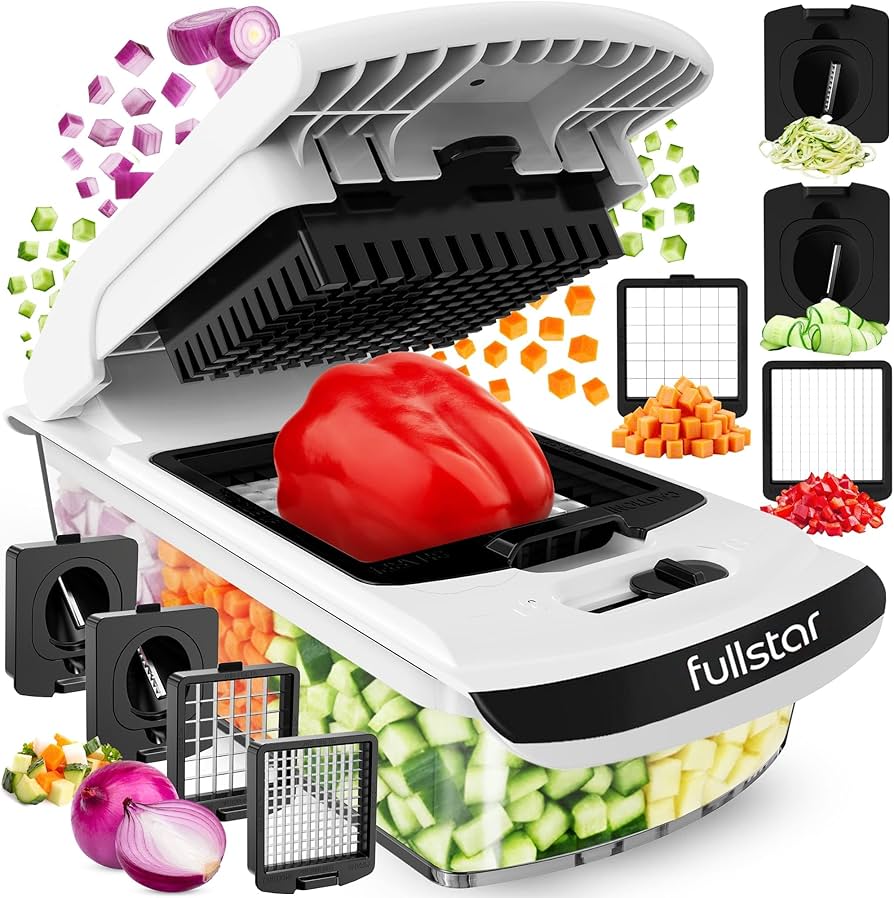
Fullstar Vegetable Chopper
- This chopper is a favorite for its four interchangeable blades. It dices, slices, and juliennes with ease. The 1.2-liter container holds plenty, and the non-slip base keeps everything stable.
- Many users love that it’s dishwasher safe. One mom shared how her kids now help prep veggies, thanks to the safety features.
Mueller Onion Chopper Pro
- Known for its strong build, the Mueller has German stainless steel blades. It handles onions, tomatoes, and even harder veggies like carrots.
- The catch tray keeps counters clean. A chef in New York said it cut his prep time in half for busy dinner rushes.
Brieftons QuickPush Food Chopper
- The push-down lid makes chopping fast and easy. It’s ideal for salads and salsa. The blade grid is sharp and easy to swap.
- Families appreciate its large 8-cup container. One reviewer noted, “No more crying over onions!”
Vidalia Chop Wizard
- This classic model features two blade sizes. You press down the lid, and veggies drop into the tray below.
- It’s simple but reliable. A retiree commented that arthritis made chopping hard, but this tool brought her back to cooking.
Oxo Good Grips Vegetable Chopper
- Oxo is famous for ergonomic designs. The soft handle reduces strain, and the base stays put.
- It’s great for small kitchens. A college student said it made meal prep in her dorm easy and safe.
Cuisinart Stainless Steel Chopper
- This manual chopper uses a plunger mechanism. The blades rotate to chop veggies evenly.
- It’s compact and easy to clean. A food blogger liked how it handled garlic and nuts as well as veggies.
KitchenAid Food Chopper
- KitchenAid’s mini chopper is electric, perfect for quick batches. It’s not for big jobs but excels at making salsa, pesto, or onion paste.
- A busy dad said it helped him whip up healthy snacks fast for his kids.
Zyliss Easy Pull Food Chopper
- The pull-cord design is unique. You load veggies, pull the cord, and the blades spin.
- It’s portable and works well for camping. A traveler called it her “secret weapon” for outdoor cooking.
Hamilton Beach Stack & Press Chopper
- Another electric model, it’s simple: Stack ingredients, press the lid, and chop. It handles onions, peppers, and even nuts.
- A couple mentioned it made prepping guacamole for parties effortless.
Black+Decker HC150B Chopper
- This compact electric chopper is budget-friendly. The one-touch operation and stainless steel blades make it easy for beginners.
- One elderly user praised its simplicity and easy-clean design.
Comparing Manual Vs Electric Choppers
When choosing a chopper, the debate often comes down to manual or electric. Here’s a quick comparison to help you decide:
| Feature | Manual Chopper | Electric Chopper |
|---|---|---|
| Operation | Hand-powered | Plug-in or battery |
| Speed | Fast for small batches | Very fast, good for large amounts |
| Noise | Silent | Noisy |
| Cleaning | Easy, fewer parts | More parts, sometimes harder |
| Portability | Very portable | Needs power source |
| Price | Usually cheaper | Higher price |
Electric choppers are best for those who make big batches or want the least effort. Manual choppers are ideal for quick jobs, travel, or people who value silence.
Non-obvious Insights: What Beginners Miss
Many first-time buyers focus only on blade sharpness or price, but there are hidden details that can make or break your experience:
- Container shape matters: Deep, narrow containers can cause veggies to pile up unevenly. Look for wide, shallow trays for even chopping.
- Blade replacement: If you cook often, blades wear out. Some brands sell replacements; others force you to buy a whole new unit.
- Non-slip bases: When you press down, a slippery base can cause accidents. Silicone or rubber feet are a must for safety.
Another insight: choppers with measurement marks help you portion food without extra cups or scales. This is handy for recipes that require specific amounts.
Real-life Stories: How Choppers Changed Kitchens
Let’s step into the kitchens of real users. Their stories show the impact these tools have:
- Maria in Chicago: She works late and needs quick dinners. Her Fullstar chopper lets her dice onions and tomatoes in under a minute, so she can spend more time with her kids.
- Raj in Mumbai: He cooks for his elderly parents. Manual choppers like the Vidalia Chop Wizard make it easy to prepare soft, uniform pieces for their meals.
- Jessica in Toronto: Allergic to garlic, she uses a KitchenAid mini chopper to make her own garlic-free pesto, avoiding contamination from knives and boards.
These stories highlight how choppers aren’t just about speed—they bring freedom and joy back to cooking.
Credit: www.amazon.com
How To Use An Onion And Vegetable Chopper: Step-by-step
If you’re new to choppers, here’s a simple guide to get started:
- Wash and peel vegetables: Clean produce and remove skins or stems.
- Cut into chunks: Most choppers work best with pieces 1–2 inches wide.
- Choose the right blade: Select dicing, slicing, or julienne, depending on the recipe.
- Load veggies into the container: Avoid overfilling.
- Press or operate the mechanism: For manual, press the lid or pull the cord. For electric, secure the lid and press the button.
- Empty the chopped veggies: Remove the catch tray or bowl.
- Clean the parts: Rinse blades and containers. Many are dishwasher safe.
A common mistake: overfilling the container. This can lead to uneven chopping and stuck pieces. Always chop in batches for the best results.
Comparing Blade Types And Materials
Blades are the heart of any chopper. Here’s a look at the main types:
| Blade Type | Best For | Material | Durability |
|---|---|---|---|
| Grid Blades | Dicing onions, potatoes | Stainless steel | High |
| Slicing Blades | Carrots, cucumbers | Steel or ceramic | Medium |
| Julienne Blades | Salads, stir fry | Stainless steel | High |
| Rotary Blades | Garlic, nuts | Steel | Medium |
Stainless steel is best for durability and sharpness. Ceramic blades are less common but stay sharp longer, though they can chip if dropped.

Credit: sporked.com
Cleaning And Maintenance Tips
Keeping your chopper in top shape is easy with a few habits:
- Rinse immediately after use: This prevents food from drying and sticking.
- Use a brush: Many choppers come with a small cleaning tool to remove stuck pieces.
- Avoid harsh detergents: They can dull blades and damage plastic.
- Check for cracks: Over time, plastic parts can crack. Replace them as needed.
- Store dry: Moisture can lead to rust, even on stainless blades.
A tip many miss: Always dry blades fully before storage. Even stainless steel can rust if left damp.
What To Avoid When Buying A Chopper
It’s easy to get excited by fancy features, but there are pitfalls:
- Too many attachments: Some choppers come with 10+ blades. If you won’t use them, they’ll just clutter your kitchen.
- Weak hinges: Cheap models often break at the hinge. Check user reviews for complaints.
- Non-standard parts: If replacement blades or containers aren’t available, the whole unit becomes useless if one part fails.
- Unclear warranty: A good chopper should have at least a one-year warranty.
Another mistake: ignoring the size of the catch container. If you cook for a family, a small tray means more emptying and less efficiency.
How Choppers Fit Into Different Lifestyles
Every kitchen is unique. Here’s how choppers adapt:
- Busy families: Large manual models with safety features let kids help without worry.
- Single cooks: Compact electric choppers save space and time.
- Outdoor enthusiasts: Cordless manual choppers work anywhere, even at a campsite.
- Elderly or disabled cooks: Push-down or press designs are easier than twist or pull types.
Choppers also help reduce food waste. By making veggie prep easy, people are more likely to cook at home and use up produce before it spoils.
Price Vs Performance: Are Expensive Choppers Worth It?
You might wonder if paying more really gets you a better tool. Let’s look at the numbers:
- Basic manual choppers: $15–$25
- High-end manual models: $30–$50
- Electric choppers: $40–$80
In many cases, mid-range choppers offer the best value. They combine durable materials, easy cleaning, and useful accessories without charging for extras you won’t use.
A non-obvious tip: Look for choppers with replacement parts. You’ll save money and avoid waste if you can swap out blades or containers.
How Choppers Impact Health And Nutrition
Eating more vegetables is linked to better health—lower risk of heart disease, diabetes, and obesity. Studies from the CDC show that only 1 in 10 Americans eats enough vegetables daily.
Choppers help bridge this gap. By making prep easy, people are more likely to add veggies to meals, try new recipes, and stick to healthy habits.
Kids often enjoy using choppers, turning cooking into a family activity. This can boost their interest in nutrition and teach valuable life skills.
Environmental Considerations
Most choppers are made from plastic and steel. If you care about the environment, look for:
- BPA-free plastics: Safer for health and better for recycling.
- Minimal packaging: Some brands use eco-friendly boxes.
- Long-lasting designs: Durable choppers mean fewer replacements.
You can also use vegetable scraps for compost, thanks to the neat, uniform pieces choppers create.

Credit: www.goodhousekeeping.com
Where To Buy And What To Check Before Purchase
You can find choppers at big retailers, kitchen stores, and online. Before buying, check:
- Return policy: If it doesn’t fit your needs, can you return or exchange?
- Warranty: Look for at least one year.
- User reviews: Find real stories about durability and ease of use.
For the latest rankings and buyer advice, you can visit Consumer Reports.
Frequently Asked Questions
What Is The Best Onion And Vegetable Chopper For Beginners?
The Fullstar Vegetable Chopper is often recommended for beginners. It’s easy to use, has clear instructions, and includes safety features. The interchangeable blades make it versatile for different recipes.
Can Choppers Handle All Types Of Vegetables?
Most choppers can cut onions, carrots, potatoes, and peppers. Harder vegetables like beets or sweet potatoes may need to be sliced smaller first. Avoid using choppers for very soft produce like tomatoes unless they are designed for it.
Are Electric Choppers Better Than Manual Ones?
Electric choppers are faster and require less effort. However, manual choppers are quieter, easier to clean, and more portable. Your choice depends on how much you cook and your kitchen setup.
How Do I Clean And Maintain A Chopper?
Rinse blades and containers right after use. Use the included cleaning brush for stuck pieces. Many choppers are dishwasher safe. Dry all parts before storing to prevent rust and odors.
What Safety Features Should I Look For?
Choose choppers with non-slip bases, protective blade covers, and sturdy hinges. Some models also have finger guards. Always read instructions before first use to avoid accidents.
No matter your cooking style, the right onion and vegetable chopper can transform your kitchen routine. It’s more than just a tool—it’s a partner that helps you cook safer, faster, and with more confidence. Whether you’re a busy parent, a student, or someone rediscovering the joy of home cooking, there’s a perfect chopper out there waiting to make your life easier.
About The Author