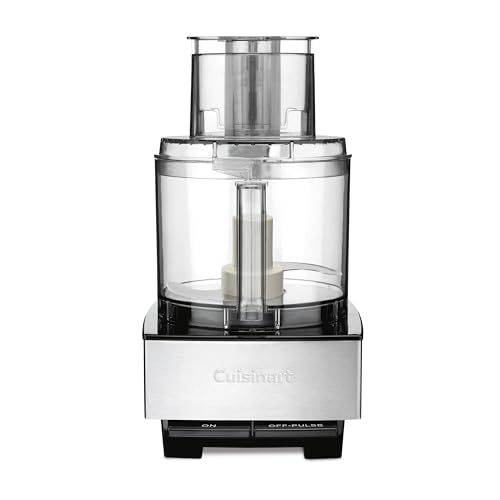
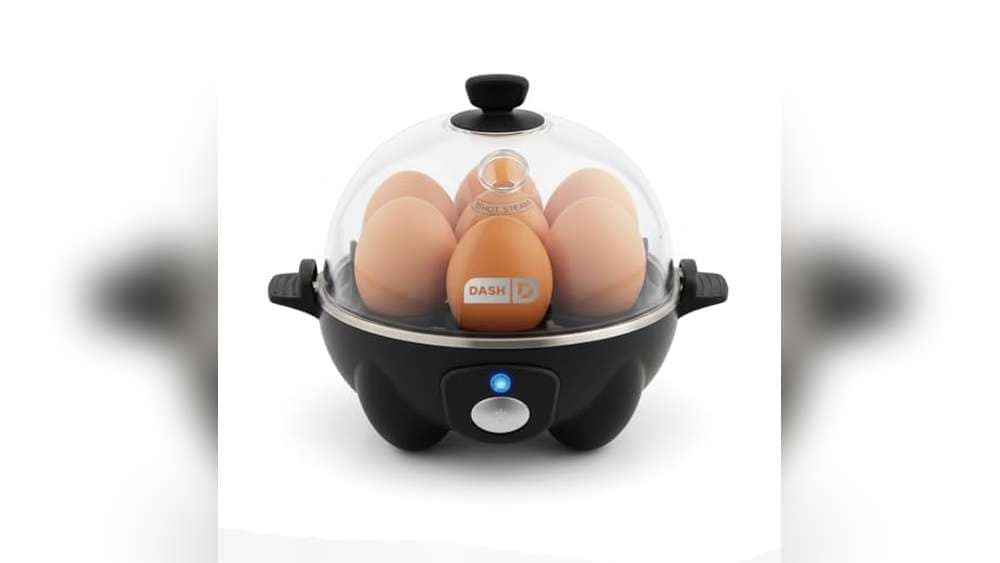
This content contains affiliate links. If you purchase through these links, we may earn a commission at no additional cost to you. This helps support the maintenance of the website and our research efforts..
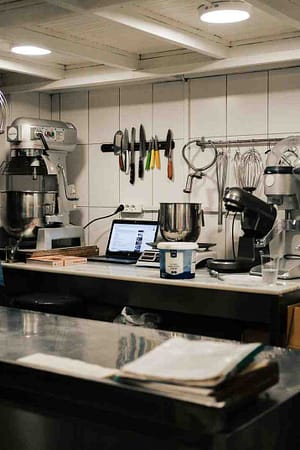
Did you know that pre-shredded cheese contains cellulose powder? It’s a wood-pulp additive that stops the shreds from sticking together in the bag. It also stops the cheese from melting properly on your pizza or pasta. That’s why freshly grated cheese always tastes better. It melts faster, stretches further, and has a cleaner flavor. The only reason most people buy the bag is speed. A good food processor solves that. In about 60 seconds, you get a full cup of fresh, additive-free grated cheese — with almost no effort.
This guide covers five top food processors for grating cheese. It also explains what features actually matter, so you don’t waste money on the wrong one.Straight to the point
For most people, the Hamilton Beach 10-Cup is the right choice. The bowl scraper makes everyday grating smoother than any comparable model, and the price is fair for what you get. If you grate a lot of hard cheese or want extra power, step up to the Ninja BN601. It won’t let you down on even the toughest cheeses. And if you batch-cook or prep meals for a large group, the Cuisinart 14-Cup is the most capable option on this list. The extra bowl and feed tube size pay off every single time you use it.
What to Look for Before You Buy
Most buying guides skip straight to products. We won’t do that. The features that matter for cheese grating are different from general food processing. Knowing the difference saves you from buying something that doesn’t fit your needs.
The disc vs. the blade — the decision most guides skip
Every food processor has two ways to handle cheese. They give you very different results.
The shredding disc sits on top of the bowl. You push a block of cheese through the chute. The spinning disc shreds it into long, even pieces that fall into the bowl below. This is the right method for cheddar, Gouda, Gruyère, and mozzarella. Use it when you need shredded cheese for pizza, tacos, or casseroles. The S-blade sits at the bottom of the bowl. You drop chunks of cheese in and pulse until it’s the texture you want. This gives you a finer, more powdery result. It’s ideal for Parmesan going into pasta, salad dressings, or breading.
The best choice depends on what you’re cooking, not just what cheese you have. A processor with both attachments gives you the most flexibility.
How much motor power do you need?
For soft to semi-hard cheeses — like mozzarella, cheddar, and Monterey Jack — a 450 to 600 watt motor is enough.For hard cheeses like aged Parmesan or Pecorino Romano, you need at least 700 watts. A weaker motor will strain and overheat on dense, dry cheese. If you plan to batch-grate once a week, look for a motor with thermal overload protection. It shuts off automatically before burning out. That one feature can add years to your machine’s life.
What bowl size should you get?
| Your cooking situation | Best bowl size |
|---|---|
| Single person or couple | 4 – 8 cups |
| Family of 3 or 4 | 9 – 11 cups |
| Batch cooking or entertaining | 12 – 14 cups |
A bowl that’s too small means you stop mid-task to empty it. A bowl that’s too large can cause the cheese to clump without making good contact with the disc.