Learning how to use a pressure cooker can feel confusing at first. I felt the same way when I started. There were valves, locks, and pressure settings. At first glance, it looked complicated. However, once you understand the basics, it becomes one of the easiest kitchen tools to use.
Admittedly, a pressure cooker saves our valuable time and effort. It can retain the nutrients inside the cooker pot after cooking. Because it uses a small quantity of water with the ingredients while cooking, the nutrients stay inside the pot. For this reason, the nutrients stay inside the pot. There is no extra hassle with water draining from the meal.
In this guide, I will discuss step-by-step how to use a pressure cooker properly. I will keep things simple and explain why each step matters. As a result, you will feel confident using a pressure cooker safely.
What is a pressure cooker?
A pressure cooker is a sealed pot. It traps steam inside the pot. Because the steam cannot escape, pressure builds up inside the pot. As a result, the temperature inside rises higher than the normal boiling point. Because of the high temperature, it can cook 70% faster. For example, beans that usually take an hour can cook in 15 minutes. Moreover, for the tender and juicy meat, I always use a stovetop pressure cooker because of the flat surface of the pot. The taste and flavor of the meat are also ordinary because it keeps the flavors inside the pot.
Why use a pressure cooker?
A pressure cooker has been an essential kitchen appliance for decades. It saves our valuable time and effort by cooking fast and using many built-in features. The thing is, you can prepare hundreds of recipes just by using a pressure cooker. Many electric pressure cookers have an in-built cooking program. You simply need to set the cooking program and wait for the cooking time. It automatically adjusts the pressure level.
Saves a Huge Amount of Time |
Most people use a pressure cooker to save time and make life smoother. Food that took an hour, like beans, lentils, tough meat or stews, can be ready in 15 to 30 minutes. This is extremely helpful for busy families, working people or restaurant owners.
Retains More Nutrients |
Since we use a proper amount of water in the recipes, it helps to retain vitamins and minerals that are often lost with boiling, slow cooking, or draining water from the food. For this reason, vegetables stay more nutritious, and meats retain their juiciness instead of drying out.
Uses Less Energy |
A pressure cooker can cook 70% faster than traditional cooking methods by trapping the steam inside. Shorter cooking time also means less gas or electricity usage. Compared to long-term simmering on a stove, a pressure cooker finishes the job quickly and efficiently.
Versatile for Everyday Cooking |
Modern pressure cookers—both stovetop and electric—can handle a wide range of recipes. You can cook rice, vegetables, meat, soups, desserts, and even one-pot meals. Electric models often include preset programs, making them beginner-friendly.
Keep the meal nutrients and flavorful |
A pressure cooker does more than save time. It also locks in nutrients and flavors while cooking food in a short amount of time. Pressure cooking keeps steam and heat inside. This prevents the loss of vitamins and taste, unlike traditional methods. This keeps every meal healthy, delicious, and aromatic.
It’s great for veggies, soups, stews, rice, and beans. This makes it easy to enjoy healthy and tasty meals with minimal effort. Modern pressure cookers come with smart cooking programs. This means you can make many dishes perfectly each time.
Invest in a quality pressure cooker to make every meal tasty, wholesome, and ready in no time.
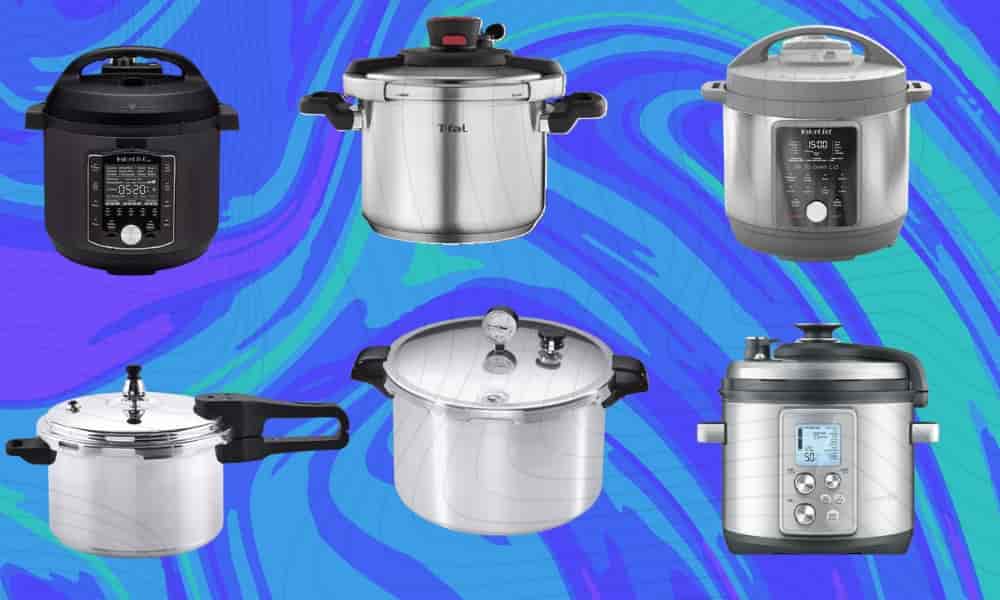
Types of pressure cookers
Mainly, there are two types of pressure cookers.
-
- Stovetop pressure cooker
-
- Electric pressure cooker
Stovetop Pressure Cooker |
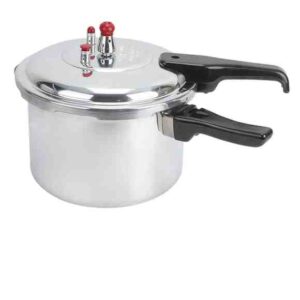
A stovetop pressure cooker doesn’t have any internal heating systems. It requires a gas or electric stove to heat the pot. You need to place the cooker on top of the heating surface to cook the meal. During the cooking, it requires manual adjustment of the heating level.
How it works |
-
Put your food and the required amount of liquid into the pot.
-
Lock the lid securely.
-
Turn your stove to a high heat setting.
-
Wait for the pot to reach full pressure (usually signaled by a whistle or a steady hiss)
-
Turn the heat down to low to maintain that pressure.
-
When the timer goes off, turn off the stove.
-
Wait for the pressure to release completely before you try to open the lid.
Electric Pressure Cooker|
Compared to the stovetop pressure cooker, the electric version is simpler to operate and control. You just have to set the cooking program, wait for the cooking time, and simply serve the meal. You don’t need any manual labor to control the pressure level while cooking because of the built-in features. It releases the steam automatically during the cooking season.
How it works |
-
Add food and water to the inner pot
-
Close and lock the lid tightly
-
Select a cooking program or set a time.
-
The heating element warms the pot
-
Water turns into steam inside the cooker
-
Steam builds pressure and raises temperature
-
The cooker maintains pressure automatically
-
Cooking ends, and pressure is released safely
Why Learning How to Use a Pressure Cooker Matters
Many people buy a pressure cooker, but they never feel comfortable using it. Some people use it only for rice. Others only use it when someone experienced is around. This happens because pressure cooking feels unfamiliar at first.
However, once you learn the process, it becomes one of the most reliable tools in the kitchen. Because pressure cooking is fast, it reduces daily cooking stress. At the same time, it helps you plan meals better. When you know that lentils will cook in ten minutes instead of forty, you cook more confidently.
From my own experience, learning pressure cooking was not about memorizing rules. It was about understanding pressure, steam, and timing. Once those three things made sense, everything else became easy.
Releated post : Top rated pressure cooker in 2026 for your kitchen | Tested & Reviewed
An important part of the pressure cookers |

Lid:
The lid is the most important part. It seals the cooker and keeps steam inside. The sealing ring, which is usually made of rubber or silicone, sits inside the lid. This ring prevents steam from leaking. If it is damaged or misplaced, pressure will not build properly.
Pressure regulator:
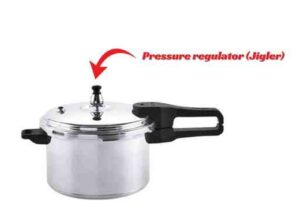
The valve controls the release of steam. Some cookers use whistles. When pressure becomes high, it releases extra steam. This release produces the familiar whistling sound. Some premium models, such as the Kuhn Rikon Duromatic Pressure Cooker, produce no sound. However, I use the sound as a signal that cooking has started. The regulator helps keep the cooker safe during use.
Vent pipe:
The vent pipe is a small metal tube on the lid. Steam is released through this pipe while cooking to relieve extra pressure inside the pot. Always check the air vent to ensure proper safety while cooking. Sometimes, the air vent is clogged by food particles.
Handle:
The handle makes it easy to lift and carry . Almost all cookers had handles. It is usually made of heat-resistant material. This allows you to handle the cooker safety after cooking.
Pressure Indicator :
The pressure indicator shows whether pressure is inside the cooker. When cooking starts, the indicator rises. This tells me that the cooker is under pressure. Once cooking is finished, and the pressure is released, it falls. I only open the lid after it falls completely. This small part adds a lot of safety.
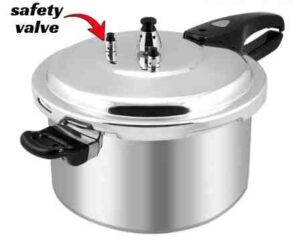
Safety valve :
When the internal air vent system is not working, or it is blocked by food particles, then the safety valve releases the pressure. To prevent accidents.

Dial Gauge :
The dial gauge indicates the internal pressure level of the pot. It is usually found in the stovetop pressure cooker. On the other hand, electric pressure cookers do not use a dial gauge.
Base :
The bottom surface of the pressure cooker is crucial for different cooking programs. To brown or sauté chicken or meat, I always use a pot with a smooth surface and enough space. However, many modern bases work on gas, electric, and induction stoves. A thick base improves the cooking efficiency and saves time.
How a Pressure Cooker Actually Works in Real Life |
A pressure cooker works by trapping steam inside a sealed pot. First, you add food and liquid. Then, you apply heat. As the liquid heats up, it turns into steam. Because the lid is sealed, the steam cannot escape. As a result, pressure starts to build.
When pressure builds, the boiling point of water increases. This means food cooks at a higher temperature than normal boiling. Because of that, cooking time reduces drastically. At the same time, moisture stays inside the pot, which keeps food soft and tender.
How to use a pressure cooker
Before starting, I want to tell you basic things about pressure cookers. Every model of cooker looks slightly different, but the basic parts are always the same.
The lid is the most important part. It seals the cooker and keeps the steam inside. The sealing ring, which is usually made of rubber or silicone, sits inside the lid. This ring prevents steam from leaking. Always check the rubber ring before cooking something.
There is also a pressure valve. This valve controls the pressure level. Some cookers use whistles. Others use a silent valve. In addition, there is always a safety valve, designed to release pressure in an emergency situation. Before cooking, check the safety valve, the same as the rubber ring that I always do.
Step-by-step procedures on how to use a pressure cooker properly |
Step 1: Prepare ingredients the right way |
Before turning on the heat, proper prep is important. I always prepare all ingredients first. When ingredients are ready, i can focus on pressure and timing instead of rushing around the kitchen. This is especially important for beginners.
Adding Ingredients in the Correct Order
When I cook, I usually start with oil if sautéing is needed. Then I add onions, garlic, or spices. After that, I add the main ingredients like vegetables, lentils, or meat. Finally, I add liquid.
Step 2: Locking the Lid properly |
Once everything is in the cooker, gently place and lock the lid. It should fit naturally, not feel forced. If it seems off, remove the lid and try again.
After locking the lid, let the pressure build. For stovetop cookers, start on high heat. Once pressure builds, reduce the heat. You don’t need high heat to keep the pressure. Too much heat wastes energy and can release steam.
For electric cookers, this process is automatic. Just select the pressure mode, and the cooker takes care of the rest.
Step 3: Choose Heat and Build Pressure |
-
Stovetop: Turn up the heat until steam appears. Then place the regulator and lower the heat to maintain a steady pressure.
-
Electric: Select the pressure-cooking program. The cooker will do the rest.
Step 4: Set the Cooking Time |
Cooking time usually depends on the food.
| Food Type | Average Cooking Time |
|---|---|
| White Rice | 3–5 minutes |
| Brown Rice | 15–20 minutes |
| Lentils | 5–8 minutes |
| Whole Beans | 20–30 minutes |
| Vegetables (Soft) | 2–5 minutes |
| Vegetables (Hard) | 5–10 minutes |
| Chicken Pieces | 8–12 minutes |
| Beef / Mutton | 30–45 minutes |
Moreover, one of the most common mistakes beginners make is starting the timer too early. Cooking time begins when full pressure is reached, not when the heat turns on. I made this mistake often at first. My food was usually undercooked. Once I timed it correctly, my results improved right away. Pressure indicators, whistles, or valve signals show when pressure is reached. Only then should you start timing your cooking.
Step 5: Release the Pressure Safely |
There are two ways to release pressure.
- Naturally
- Manually
For natural pressure release, you have to wait after cooking, and the pressure will drop slowly on its own. This method is best for soups, beans, and meats to keep the flavor inside. On the other hand, if you want to release pressure immediately after cooking, simply press down the button from the seal to the steam option. If your pressure cooker has a jiggler, then move that to release steam. Use a spoon or tools to move the jiggler. Keep your hand and face away from the steam.
Step 7: Open the Lid and Check Food |
Once pressure is fully released, the lid will unlock easily. Open it away from your face. This helps avoid steam burns. Now check your food. If it needs more time, you can close the lid and cook again for a few minutes. Most of the time, food will be perfectly cooked.
Is a pressure cooker safe to use?
At first, I was also afraid to use a pressure cooker. I had heard many old stories about accidents. Because of that, I avoided it for a long time. After using a modern pressure cooker like instant pot, I found those fears were no longer true.
Today’s pressure cookers are much safer than older ones. In our kitchen, we tested almost 15 pressure cookers includes both stovetop and electric cooker before providing reviews. You can check out our article which is for top rated pressure cooker. First of all, they come with safety valves. These valves release extra pressure without manual intervention. As a result, pressure does not build up dangerously inside the cooker.
In addition, modern pressure cookers have a lid-locking system. This means the lid stays locked when there is pressure inside. So, you cannot open it by mistake. Because of this feature, accidents are very rare now.
Another important part is the sealing ring. It helps keep the steam inside the cooker. At the same time, it allows pressure to escape in a controlled way. If the sealing ring is not placed correctly, the cooker usually will not build pressure. This also adds an extra layer of safety.
Electric pressure cookers make things even easier. They control heat and pressure on their own. So, you do not need to watch the cooker all the time. Moreover, many electric models turn off automatically if something goes wrong.
Of course, safe use also depends on simple habits. For example, you should not overfill the cooker. Also, always add enough water or liquid. Finally, keeping the valve clean makes a big difference.
In the end, using a pressure cooker is very safe when you follow basic instructions. Once you get it, cooking becomes faster, easier, and more enjoyable.
Cleaning the Pressure Cooker Is Part of Safe Cooking
Cleaning is the most important part, like cooking. But many people ignore the cleaning part. After every use i clean the pressure valve, rubber ring, and pressure indicator, and all over the lid. Because sometimes the food particles block the air vent.
For cleaning i always use a soft sponge, which protects the pot from scratches. After cleaning, remember to attach all the components in the pressure cooker. Because A clean pressure cooker builds pressure faster and cooks more evenly.
- Always inspect the gasket for cracks before cooking.
- Make sure the pressure valve moves freely and is not blocked.
- Clean the lid thoroughly after each use to prevent residue buildup.
- Allow pressure to release naturally for better texture and safety.
Common Pressure Cooker Mistakes I Learned From
Many people forgot to add water at begining. I did the same thing, adding a little water, and sometimes I almost forgot to add water to the pot. However, I learned from my mistake. Always remember to add a little quantity of water before heating, according to your recipes.
Using enough liquid is essential for safe pressure cooking. Too little water can cause food burning, pressure buildup issues, or damage to the cooker. Always follow these minimum water guidelines based on the type of meal.
- Rice & grains: At least 1½ cups of water to generate proper steam.
- Lentils & beans: Minimum 2–3 cups of water to prevent sticking and foaming.
- Vegetables: Use 1 cup of water, even when steaming.
- Meat & poultry: Add 1½–2 cups of liquid for safe pressure buildup.
- Thick curries or sauces: Thin with water or stock to reach at least 1½ cups total liquid.
FAQs for the pressure cooker
What are common mistakes people make with pressure cookers?
Do I add water to a pressure cooker?
Yes, you must add water or another liquid to a pressure cooker. Liquid is needed to create steam, which builds the pressure required for cooking. Without enough liquid, the cooker cannot reach pressure and food may burn or stick to the bottom. The exact amount of water depends on the recipe, but most pressure cookers require at least about 1 to 2 cups of liquid for safe and effective cooking
What cannot be cooked in a pressure cooker?
Can I use a normal pressure cooker for canning?
What are the basics of a pressure cooker?
Final Thoughts: Confidence Comes With Practice
Learning how to use a pressure cooker is not about fear. It is about understanding steam, pressure, and timing. Once these ideas become clear, everything else falls into place.If you are new, start with simple dishes. Observe how pressure builds and releases. Over time, confidence will grow naturally. A pressure cooker is not just a pot. It is a tool that simplifies life. Once you trust it, you will wonder how you cooked without it.